Coprinus Capsules, Powder, or Extract – What's Right for You?
Coprinus Powder Capsules
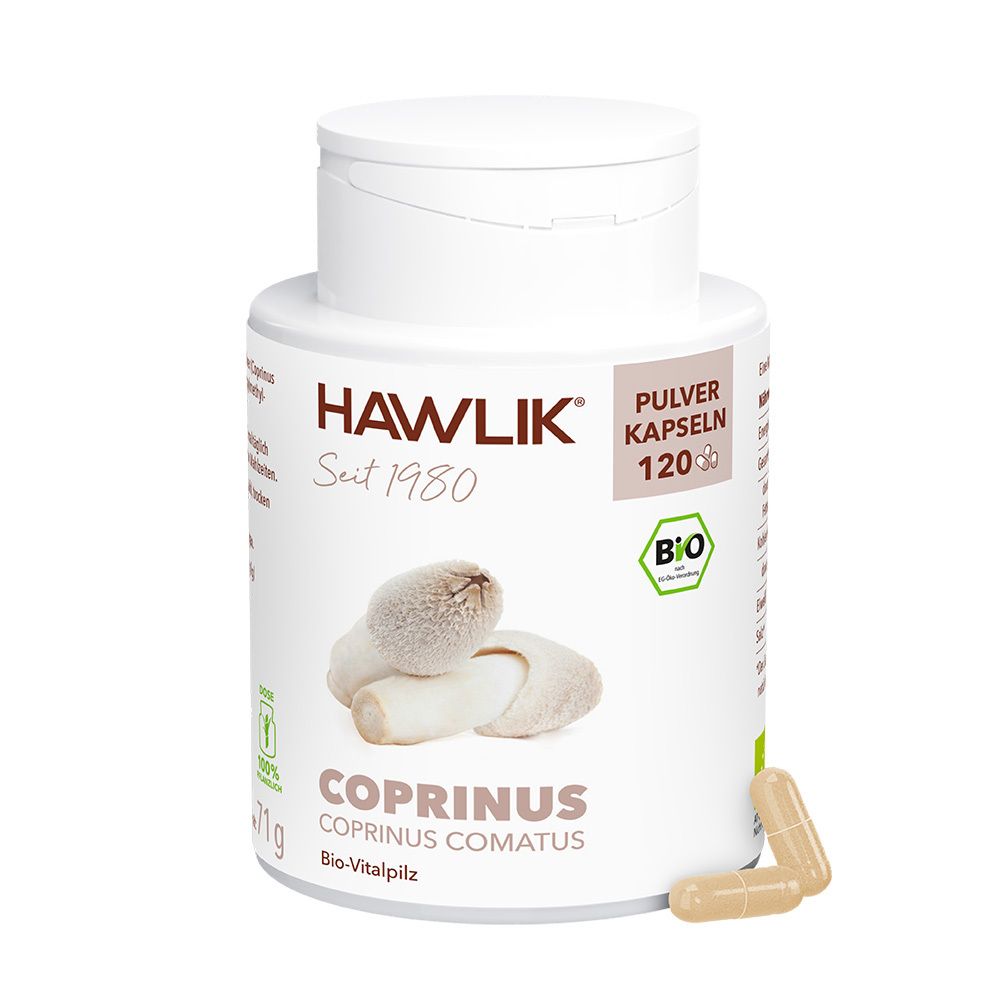
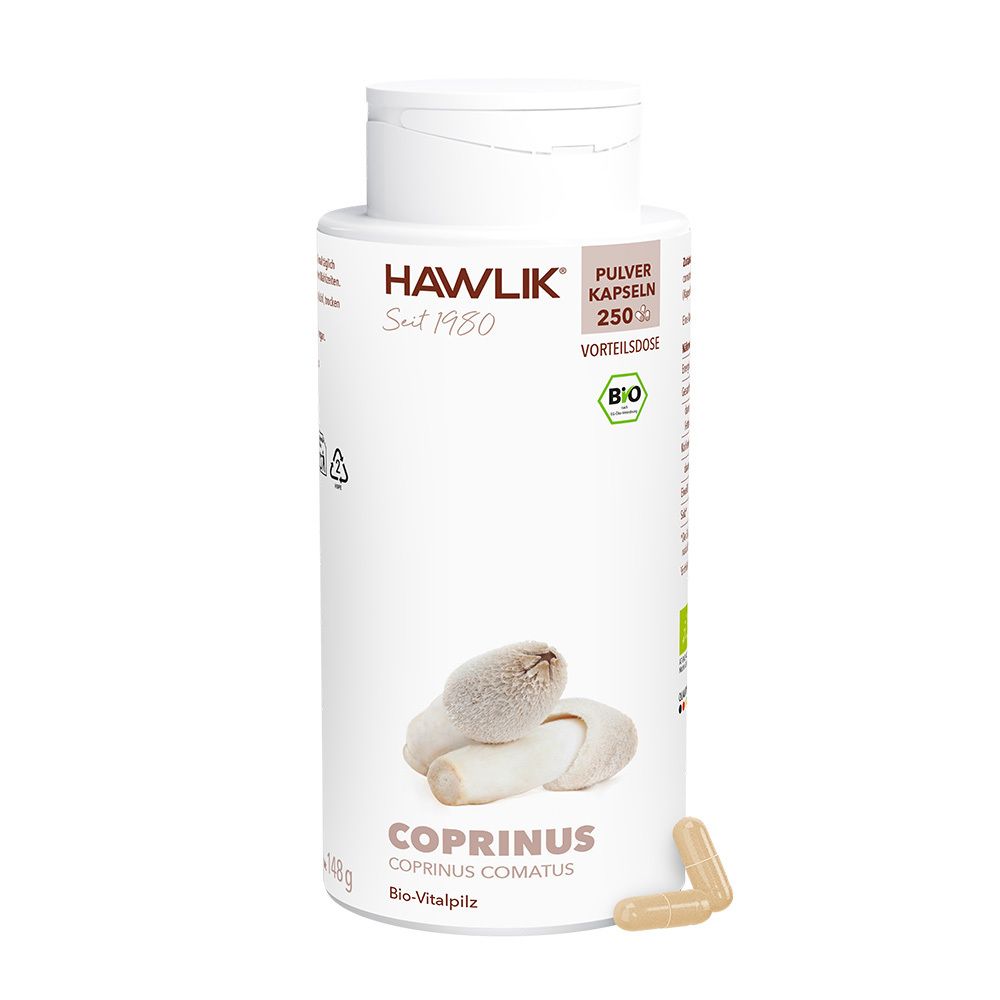
The "classic": Each capsule contains 500 mg of pure, natural Coprinus powder, super-finely ground using the Shellbroken process from hand-picked and gently dried whole mushroom fruiting bodies. Dosage: Two Coprinus powder capsules twice daily with plenty of liquid with meals.
Coprinus Extract Capsules
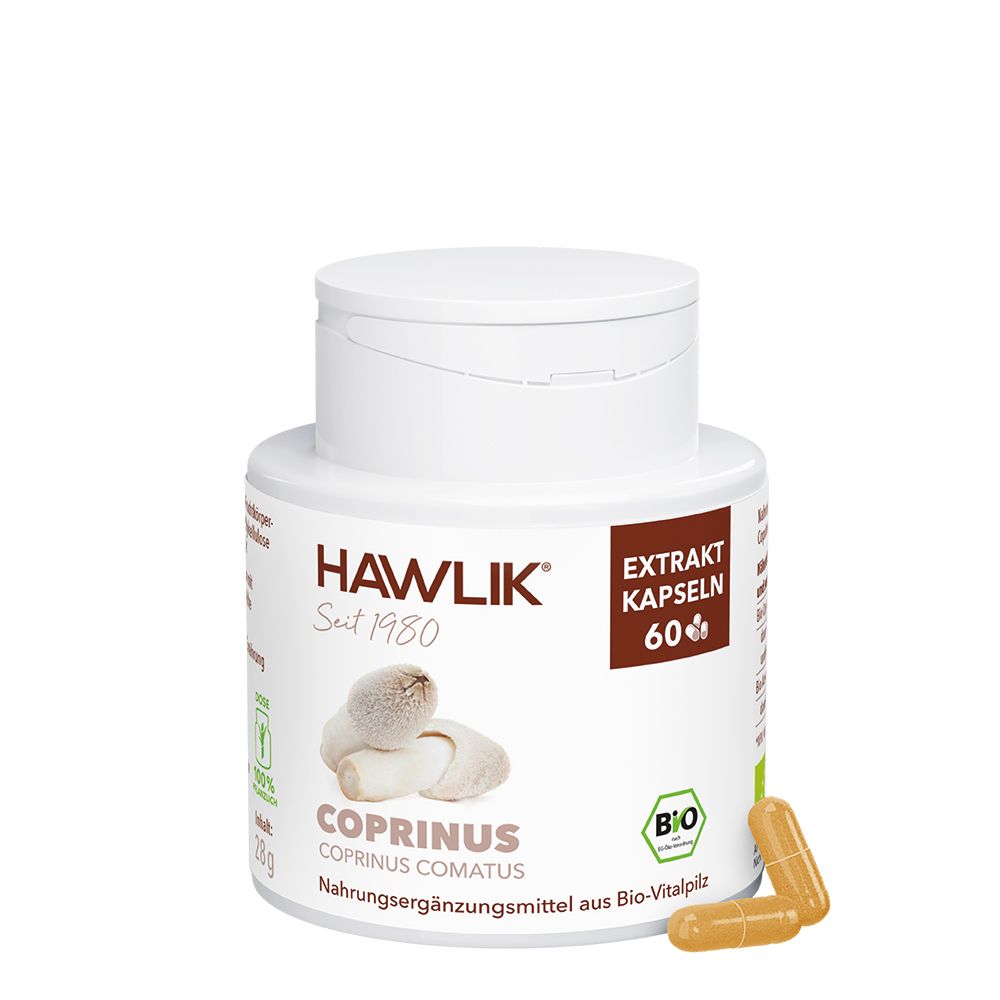
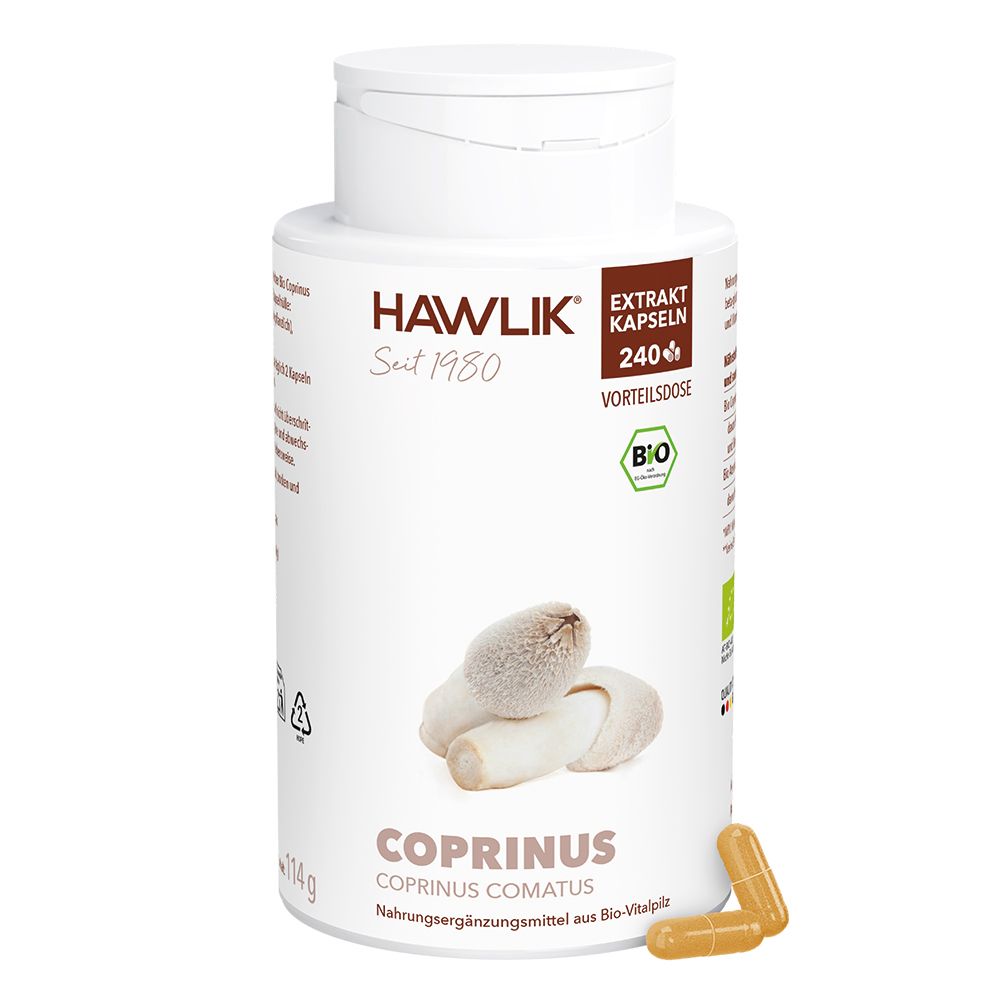
Highly concentrated dosage through extraction. This is done using a patented process proven in traditional Chinese medicine, which releases polysaccharides from the mushroom's chitin shell, making them more bioavailable for the human body. With an extra dose of Vitamin C from Acerola. Each capsule contains 300 mg of medicinal mushroom extract and 40 mg of Acerola extract. Dosage: Two Coprinus extract capsules twice daily with plenty of liquid with meals.
Coprinus Extract and Powder Capsules
Our customer favorite combines the benefits of extract and powder. Each capsule contains 250 mg of Coprinus extract, 150 mg of Coprinus powder, and 8.5 mg of natural Vitamin C. Dosage: Two capsules twice daily with plenty of liquid in the morning and at midday with meals.
Coprinus Powder
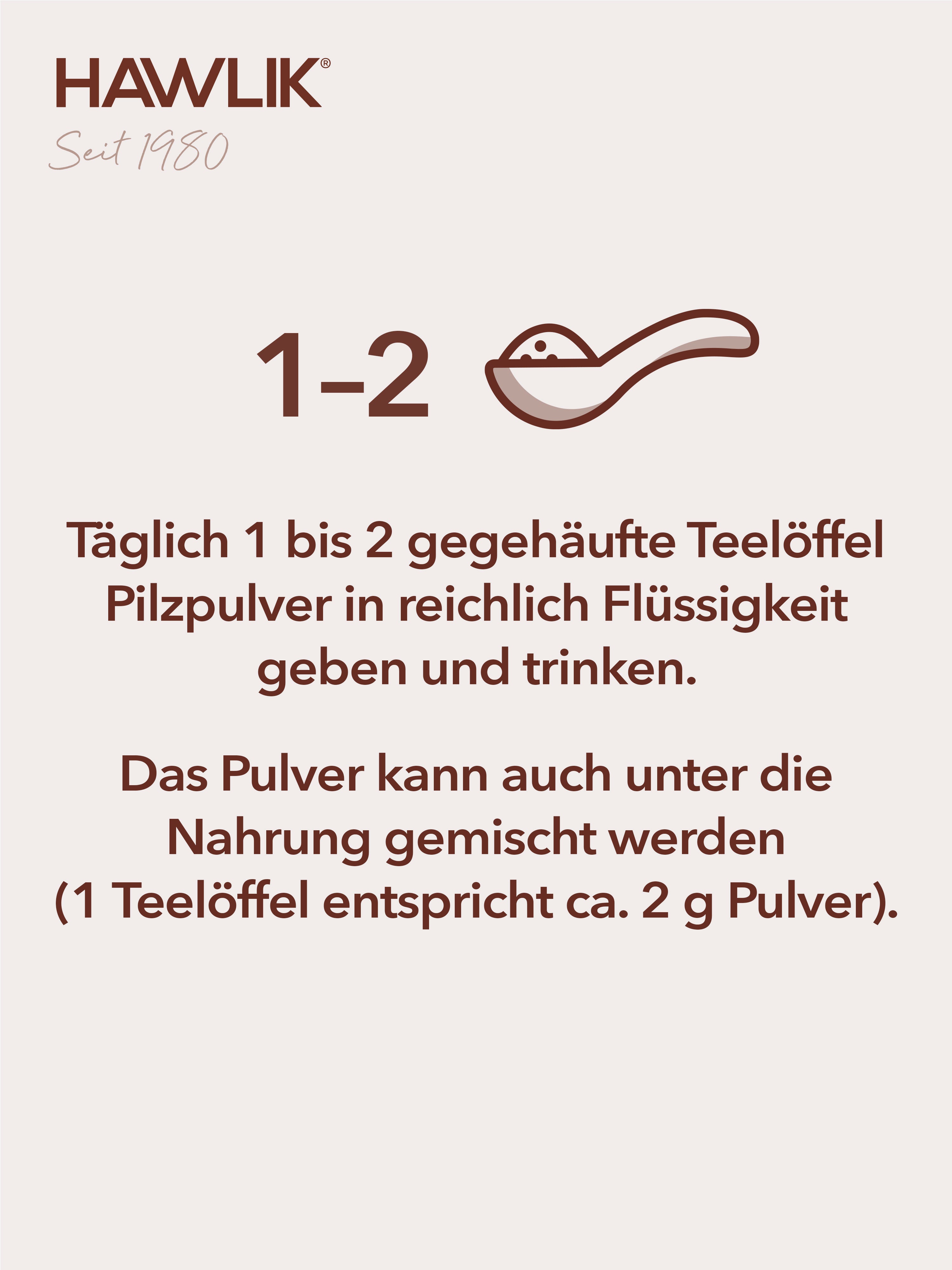
Ideal for mixing into other foods, but also suitable for direct consumption. Made from whole, gently dried, and ground fruiting bodies. Dosage: Add 1-2 level measuring spoons of Coprinus powder daily to plenty of liquid and drink. Alternatively, mix into food.
Origin, Cultivation, and Use of the Coprinus Mushroom
Its slender, white cap, which grows five to ten centimeters high, and its delicate, asparagus-like taste also earned it the colloquial names asparagus mushroom and porcelain ink cap. In English-speaking countries, it is known as "shaggy cap." Caution: Coprinus comatus should not be confused with the very similar common ink cap (Coprinus atramentarius). Although the latter is also generally edible, it can have a slightly toxic effect in combination with alcoholic beverages. The shaggy ink cap is widespread throughout the northern hemisphere, but especially in Europe, and is a very common mushroom: It grows along roadsides and in meadows, but also likes to push its white head through the earth in city lawns. Its ripening season is between April and the end of November. The ink cap cannot be stored: Even with very young mushrooms, it is common for the cap to decompose shortly after harvesting, leaving only the aforementioned black liquid. For this reason, it is not commercially cultivated, although it is an exceptionally tasty edible mushroom. Meanwhile, the ink cap mushroom is increasingly being grown privately as an edible mushroom, as it thrives wonderfully on substrate in the house and garden, allowing for a consistently fresh harvest.
Ingredients of the Coprinus Mushroom
Coprinus is one of the most protein-rich medicinal mushrooms. It also contains Vitamin C – rather rare in the mushroom world. Furthermore, it has a balanced content of all essential amino acids for the human body, iron, magnesium, and calcium, as well as an above-average amount of potassium. At the same time, it is low in sodium. In addition, there are B vitamins niacin, thiamine, and riboflavin. Furthermore, the polysaccharide Fucogalactan has been detected in the asparagus mushroom. Through this combination of important ingredients, Coprinus comatus makes a valuable contribution to daily nutrition.
As with all vital plants, the concentration of ingredients in the untreated mushroom can vary greatly. Therefore, for the application and dosage of the Coprinus mushroom, a standardized processing is recommended, as guaranteed by Hawlik medicinal mushroom products.
Coprinus, also known as Shaggy Mane (Coprinus comatus), is an edible mushroom widely distributed in Europe and traditionally valued. It is characterized by its distinctive, shaggy appearance and its versatile natural composition.